آخرین خبرها
 سفرههای خالی ۶۰۰ معدنکار در دالانهای «همکار»/ شرمنده زن و بچه هستیم!
حداقل حقوق بازنشستگان ۱۴ میلیون و ۴۰ هزار تومان شد/ سقف پاداش پایان خدمت ۷۵۰ میلیون تومان
مرگ کارگر روستایی بر اثر سقوط از ارتفاع در گرگان/ «یاسر توسلی» فقط ۲۵ سال داشت
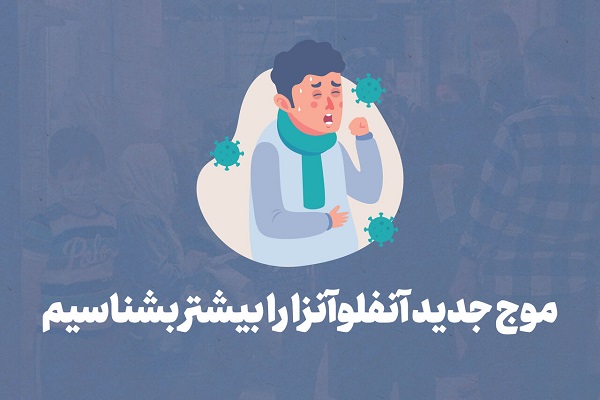
شیوع ویروس آنفلونزای نوع جدید تا اردیبهشت ماه آینده ادامه دارد
آب در ایران مساله اول نیست/ در پایتخت، شبکههای لولهکشی با بیش از ۸۰ سال عمر داریم
بررسی مشکلات بازنشستگان فولاد اصفهان با حضور معاون وزیر کار
سفرههای خالی ۶۰۰ معدنکار در دالانهای «همکار»/ شرمنده زن و بچه هستیم!
حداقل حقوق بازنشستگان ۱۴ میلیون و ۴۰ هزار تومان شد/ سقف پاداش پایان خدمت ۷۵۰ میلیون تومان
مرگ کارگر روستایی بر اثر سقوط از ارتفاع در گرگان/ «یاسر توسلی» فقط ۲۵ سال داشت
شیوع ویروس آنفلونزای نوع جدید تا اردیبهشت ماه آینده ادامه دارد
آب در ایران مساله اول نیست/ در پایتخت، شبکههای لولهکشی با بیش از ۸۰ سال عمر داریم
بررسی مشکلات بازنشستگان فولاد اصفهان با حضور معاون وزیر کار
water quality
Investigation of the performance and accuracy of multivariate time series models in predicting electrical conductivity and total dissolved solid values of the rivers of Urmia lake basin
Considering the complexity of hydrological processes, it seems that multivariate methods may enhance the accuracy of time series models and the results obtained from them by taking more influential factors into account. Indeed, the results of multivariate models can improve the results of description, modeling, and prediction of different parameters by involving other influential factors.
Effect of temperature on pH, turbidity, and residual free chlorine in Sanandaj Water Distribution Network, Iran
One of the parameters responsible for decreased water quality in a distribution system is temperature changes. This study was conducted to examine the effect of temperature on pH, turbidity, and residual chlorine in Sanandaj, Iran, Water Distribution System.
Evaluation of corrosion and scaling potential of drinking water supply sources of Marivan villages, Iran
Corrosion and scaling in drinking water sources can lead to economic and health damages. These processes produce by-products in distribution systems, reduce chemical water quality, and are the cause of health issues among consumers.
Assessment of household reverse-osmosis systems in heavy metal and solute ion removal in real and synthetic samples
In this study, the efficiency of household reverse-osmosis system (HROS) with and without neutralizer accessory was investigated in both real and synthetic samples. The real samples were collected from rural and urban public drinking-water systems with and without primary refinery treatment. The selected areas were situated in the Kurdistan province, Iran.
Determining suitable model for zoning drinking water distribution network based on corrosion potential in Sanandaj City, Iran
Corrosion in general is a complex interaction between water and metal surfaces and materials in which the water is stored or transported. Water quality monitoring in terms of corrosion and scaling is crucial, and a key element of preventive maintenance, given the economic and health hurts caused by corrosion and scaling in water utilities. The aim of this study is to determine the best model for zoning and interpolation corrosive potential of water distribution networks.
Assessment of Birjand flood plain water quality by physico chemical parameters analysis in Iran
We assessed the physico-chemical status of twelve surface water samples from the Birjand flood plain (east of Iran) during fall 2010. The sampling points were selected on the basis of their importance.
Assessment of Birjand flood plain water quality by physico chemical parameters analysis in Iran
We assessed the physico-chemical status of twelve surface water samples from the Birjand flood plain (east of Iran) during fall 2010. The sampling points were selected on the basis of their importance.
Assessment of Groundwater Quality for Drinking Purposes Using Water Quality Index (WQI) in Shiraz, Iran (2011 to 2015)
Drinking water quality monitoring is a prerequisite for macro planning of development programs in metropolitans, improvement in health, and water resources management. Since WQIs (Water Quality Index) are known as comprehensive tools for interpretation of water quality, this study benefitted from this tool to determine the drinking water quality trends in Shiraz, Iran in a five year period from 2011 to 2015 and figure out the factors affecting its changes in this city.