آخرین خبرها
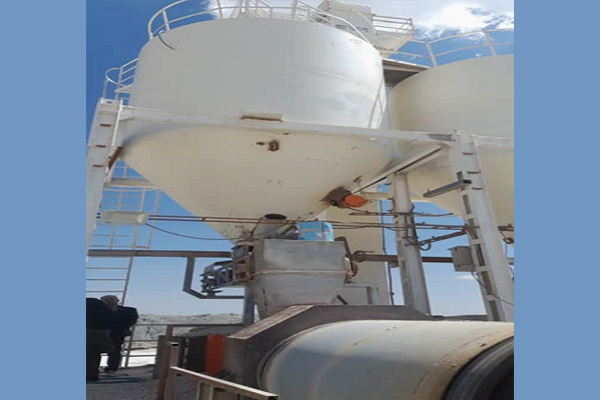
 سفرههای خالی ۶۰۰ معدنکار در دالانهای «همکار»/ شرمنده زن و بچه هستیم!
حداقل حقوق بازنشستگان ۱۴ میلیون و ۴۰ هزار تومان شد/ سقف پاداش پایان خدمت ۷۵۰ میلیون تومان
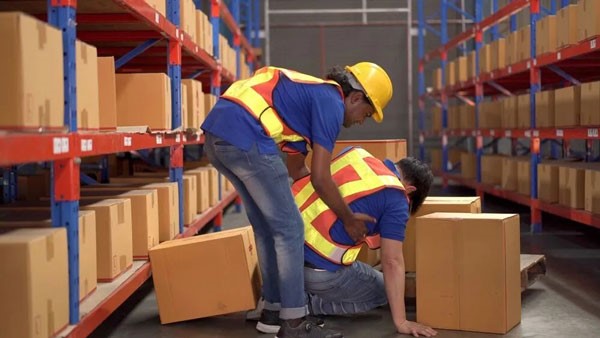
مرگ کارگر روستایی بر اثر سقوط از ارتفاع در گرگان/ «یاسر توسلی» فقط ۲۵ سال داشت
شیوع ویروس آنفلونزای نوع جدید تا اردیبهشت ماه آینده ادامه دارد
آب در ایران مساله اول نیست/ در پایتخت، شبکههای لولهکشی با بیش از ۸۰ سال عمر داریم
بررسی مشکلات بازنشستگان فولاد اصفهان با حضور معاون وزیر کار
سفرههای خالی ۶۰۰ معدنکار در دالانهای «همکار»/ شرمنده زن و بچه هستیم!
حداقل حقوق بازنشستگان ۱۴ میلیون و ۴۰ هزار تومان شد/ سقف پاداش پایان خدمت ۷۵۰ میلیون تومان
مرگ کارگر روستایی بر اثر سقوط از ارتفاع در گرگان/ «یاسر توسلی» فقط ۲۵ سال داشت
شیوع ویروس آنفلونزای نوع جدید تا اردیبهشت ماه آینده ادامه دارد
آب در ایران مساله اول نیست/ در پایتخت، شبکههای لولهکشی با بیش از ۸۰ سال عمر داریم
بررسی مشکلات بازنشستگان فولاد اصفهان با حضور معاون وزیر کار
wastewater

Autohydrogenotrophic denitrification by a bioelectrochemical process: A viability study
In this study, viability of the autotrophic bacteria was investigated in a denitrification process. Bench-scale bioelectrochemical denitrification with separated chambers reactor were applied for nitrate reduction from synthetic wastewater. The influences of current density, retention time, mixing on viability of autotrophic denitrifying bacteria were investigated in the bioelectrochemical reactor (BER).
Bioflocculant production by different microbial species and their potential application in dairy wastewater treatment
The aim of this study was to characterize the bioflocculants secreted from Bacillus subtilis (B. subtilis), Aspergillus oryzae (A. oryzae) and Rhizopus oligosporus (R. oligosporus). For precise investigation of bioflocculants, fourier transform infrared (FTIR) spectroscopy was performed, and pH and temperature stability, and decolorization efficiency were evaluated.
Performance evaluation of the wastewater treatment plant of Pelareh Dairy Industry, Iran
Pelareh Dairy Industry (PDI) is located in the west of Iran. The aim of the present study was to assess the quality and quantity of PDI wastewater and compare the results with the regulations.
Treatment of natural rubber industry wastewater through a combination of physicochemical and ozonation processes
In any type of rubber product manufacturing (including tires), the primary concerns are environmental. The aim of the present study was to survey a treatment combination of ozonation and physicochemical processes in the rubber industry.
Simultaneous nitrification-denitrification in a sequencing batch reactor equipped with fixed Kaldnes carriers
The main aim of this study was to evaluate the performance of a modified sequencing batch reactor (MSBR) using fixed Kaldnes carriers fed with acclimated sludge for ammonium removal via simultaneous nitrification-denitrification (SND) in synthetic wastewater.
A survey on the performance of moving bed biofilm reactor and rapid sand filter in wastewater treatment
Moving bed biofilm reactor (MBBR) is a process in which attached growth is utilized for wastewater treatment. This process does not require sludge recycling or backwash. Activated sludge processes can be promoted to an MBBR by adding media to an aeration tank.
Prevalence of antibiotic resistant genes in selected activated sludge processes in Isfahan Province, Iran
Wastewater treatment plants are one of the main sources of dissemination of antibiotic resistance genes (ARGs) into the environment. The present study was conducted to determine the prevalence and removal of ARGs in different wastewater treatment processes.
Optimization of ammonia removal in an integrated fix-film activated sludge using response surface methodology
In this work, removal of ammonia from synthetic wastewater using integrated fixed-film activated sludge (IFAS) process was optimized using response surface methodology (RSM). The main operating parameters such as ammonia concentration rate (ALR) and hydraulic retention time (HRT) were optimized to acquire the maximum removal efficiency.
Anammox enrichment and constructed wetland inoculation for improvement of wastewater treatment performance
This study contributes to the improvement of low-cost biotechnology for wastewater treatment in constructed wetlands (CWs). Constructed wetlands are energy efficient engineered systems that mimic the treatment processes of natural wetlands, removing polluting organic matter, nutrients, and pathogens from water.
Adsorption of nitrate from aqueous solution using activated carbon-supported Fe0, Fe2(SO4)3, and FeSO4
In this laboratory scale study, impregnated almond shell activated carbon was used as adsorbent to investigate its feasibility for nitrate adsorption from aqueous medium. The effects of activated carbon dosage and contact time have been examined in batch experiments.