آخرین خبرها
 سفرههای خالی ۶۰۰ معدنکار در دالانهای «همکار»/ شرمنده زن و بچه هستیم!
حداقل حقوق بازنشستگان ۱۴ میلیون و ۴۰ هزار تومان شد/ سقف پاداش پایان خدمت ۷۵۰ میلیون تومان
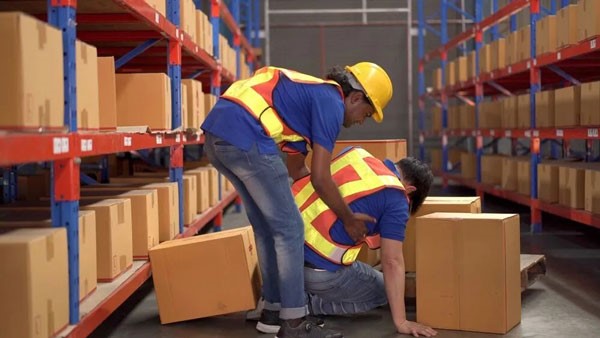
مرگ کارگر روستایی بر اثر سقوط از ارتفاع در گرگان/ «یاسر توسلی» فقط ۲۵ سال داشت
شیوع ویروس آنفلونزای نوع جدید تا اردیبهشت ماه آینده ادامه دارد
آب در ایران مساله اول نیست/ در پایتخت، شبکههای لولهکشی با بیش از ۸۰ سال عمر داریم
بررسی مشکلات بازنشستگان فولاد اصفهان با حضور معاون وزیر کار
سفرههای خالی ۶۰۰ معدنکار در دالانهای «همکار»/ شرمنده زن و بچه هستیم!
حداقل حقوق بازنشستگان ۱۴ میلیون و ۴۰ هزار تومان شد/ سقف پاداش پایان خدمت ۷۵۰ میلیون تومان
مرگ کارگر روستایی بر اثر سقوط از ارتفاع در گرگان/ «یاسر توسلی» فقط ۲۵ سال داشت
شیوع ویروس آنفلونزای نوع جدید تا اردیبهشت ماه آینده ادامه دارد
آب در ایران مساله اول نیست/ در پایتخت، شبکههای لولهکشی با بیش از ۸۰ سال عمر داریم
بررسی مشکلات بازنشستگان فولاد اصفهان با حضور معاون وزیر کار
Reduction

Autohydrogenotrophic denitrification by a bioelectrochemical process: A viability study
In this study, viability of the autotrophic bacteria was investigated in a denitrification process. Bench-scale bioelectrochemical denitrification with separated chambers reactor were applied for nitrate reduction from synthetic wastewater. The influences of current density, retention time, mixing on viability of autotrophic denitrifying bacteria were investigated in the bioelectrochemical reactor (BER).
A Review on Aflatoxins Reduction in Food
Aflatoxins (AFs) are cancerous secondary metabolites produced primarily by Aspergillus flavus and Aspergillus parasiticus in agricultural foodstuff such as peanuts, maize grains, cereals, and animal feeds. Food and Agricultural organization (FAO) estimated that as much as 25% of the world’s agricultural commodities are contaminated with mycotoxins, leading to significant economic losses.
A review of aflatoxin M1 in liquid milk
Mycotoxins continue to pose a health concern via human exposure to contaminated food. Aflatoxin M1 (AFM1), the hydroxylated metabolite of aflatoxin B1 (AFB1), may be found in the milk of dairy cattle and other mammals. In humans, AFM1 is excreted through the feces, urine, and in the case of lactating mothers, also in breast milk after consumption of aflatoxin contaminated food.