آخرین خبرها
 بررسی مشکلات بازنشستگان فولاد اصفهان با حضور معاون وزیر کار
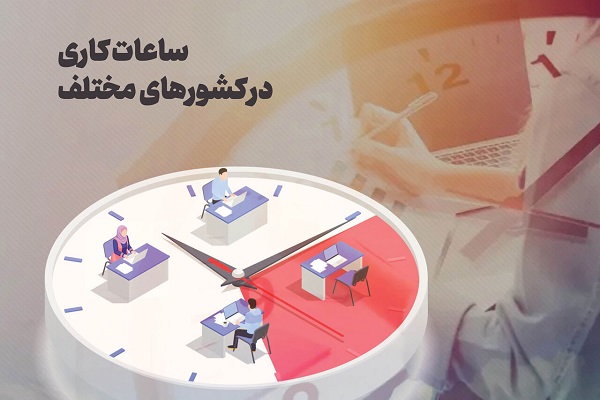
تغییر ساعات کاری ادارات صندوقها ابلاغ شد
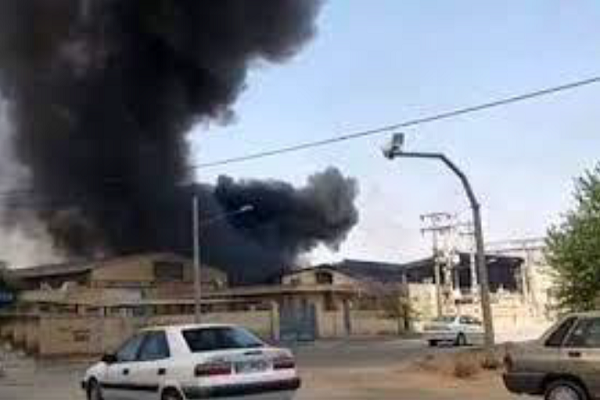
آتشسوزی در پتروشیمی آبادان/ کارگران آسیب ندیدند
برخی چالشهای پرستاری فراتر از وزارت بهداشت است
مشکلات محیطزیستی نتیجه عدم توجه به اجرای سیاستهای ابلاغی رهبری است
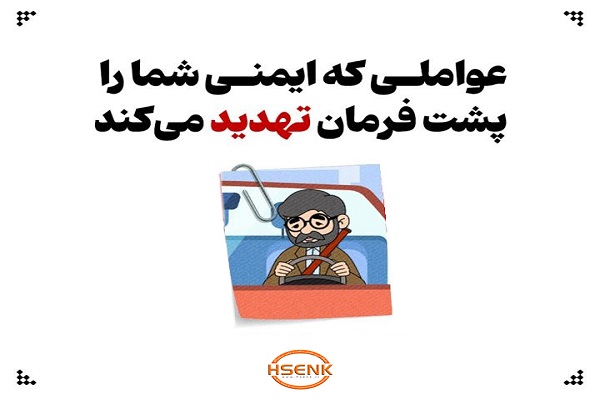
اینفوگرافیک/ عواملی که ایمنی شما را پشت فرمان تهدید میکند
بررسی مشکلات بازنشستگان فولاد اصفهان با حضور معاون وزیر کار
تغییر ساعات کاری ادارات صندوقها ابلاغ شد
آتشسوزی در پتروشیمی آبادان/ کارگران آسیب ندیدند
برخی چالشهای پرستاری فراتر از وزارت بهداشت است
مشکلات محیطزیستی نتیجه عدم توجه به اجرای سیاستهای ابلاغی رهبری است
اینفوگرافیک/ عواملی که ایمنی شما را پشت فرمان تهدید میکند
Hospital
Assessing the efficiency of floor disinfection on bacterial decontamination in sanandaj governmental hospitals
Despite regular disinfection and decontamination of the hospital floors and surfaces, resistant pathogens from the hospital surfaces and their transmission to humans have been reported recently. The resistance of pathogens to the disinfectant agents or failed disinfection techniques have put the routine floor and non-critical surface disinfection done in hospitals into question with regard to their effectiveness.
The impact of visiting hours on indoor to outdoor ratio of fungi concentration at Golestan Hospital in Ahvaz, Iran
The majority of diseases caused by air pollution, such as asthma and allergies, are caused by pathogenic bacteria, which are transmitted through bioaerosols. Bacteria and fungi are the main sources of hospital infections causing the majority of diseases and cases of mortality.
Healthcare waste management and practices: A case study in Kodagu District, Karnataka, India
Inappropriate handling and disposal practices of healthcare waste (HCW) at healthcare centers are significantly increasing health and environmental hazards. This paper summarizes the existing situation of HCW handling and management practices at healthcare facilities in Kodagu district (India).
Evaluation and Management of Human Errors in Critical Processes of Hospital Using the Extended CREAM Technique
Medical errors result in serious and often-preventable problems for patients. Human errors can be used as an opportunity for learning as well as a key factor for patients’ safety improvement and quality of patients' surveillance in hospitals. The aim of the present study was to identify and evaluate human errors to help reduce risks among personnel who render health services during critical hospital processes.
Epidemiological Aspects of Needle Stick Injuries among Nurses in a Military Hospital
The most frequent way of transmission of various diseases such as HBV, HIV and HCV is exposure to sharp tools. The purpose of the study was to determine the epidemiological aspects of occupational exposure and risk factors of injuries from sharp tools among nurses in a military hospital.
The Prevalence of Needle sticks injuries among health care workers at a hospital in Tehran
Needle stick injuries (NSIs) are one of the most significant and preventable hazards in relation to Healthcare workers (HCWs). Such injuries have been shown to be of high prevalence within developing countries. To determine the prevalence and circumstances pertaining to the occurrence of NSIs among HCWs employed at a special hospital.