
توضیحات:
BEACON SAFETY MASSAGE
ایمنی فرآیند
اوت ۲۰۲۶
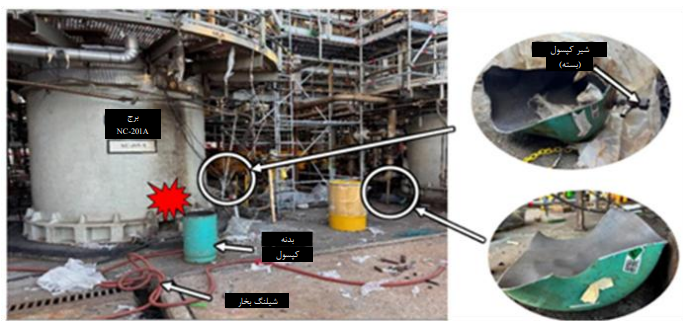
گرمایش مهارنشده به انفجار یک کپسول انجامید
در روز هشتم اکتبر ۲۰۲۴ چهار کارگر در اثر انفجار یک کپسول آمونیاک خشک در یک واحد صنعتی در شهر بَتِنروژ ایالت لوییزیانای آمریکا بهشدت مجروح شدند. شرکت بهرهبردار قصد داشت در خلال تعمیرات اساسی، از کپسول آمونیاک خشک برای عملیات خنثیسازی درون تجهیزات استفاده کند. بهرهبرداران یک شیلنگ لاستیکی بخار را بهدور نیمه پایینـی کپسول پیچیده بودند که آن را گرم کننـد تا جریان آمونیاک به سمت تجهـیزات را افزایـش دهنـد. تغـذیه بخـار در دمای تقریبـی F° ۳۰۰(C° ۱۴۹) و فشار تقریبی psi ۷۰(bar ۴/۸) انجام میشد.
هنوز شیر کپسول باز نشده بود که یکی از بهرهبرداران شیر تغذیه بخار را باز کرد و سرگرم آمادهسازی دیگر شرایط کار شد. کپسول منفجر شد و سبب آسیبدیدگی شدید سه بهرهبردار و سرپرست عملیات گردید. هر چهار تن آسیبدیده به بیمارستان منتقل شده و تحت درمان قرار گرفتند. در دستورالعمل خنثیسازی با آمونیاک، پیشبینیهای حیاتی ایمنی برای مواردی مانند گرمکردن کپسول درحالیکه شیر آن بسته است در نظر گرفته نشده بود. افزون بر این، کپسول مورد بحث به شیر تخلیه فشار هم مجهز نبود. با گرمکردن کپسول، فشار بخار آمونیاک مایع در درون آن از حداکثر فشار طراحی کپسول فراتر رفت و به پدیده انفجار بخار منبسطشونده مایع جوشان. انجامید (Boiling Liquid Expanding Vapor Explosion – BLEVE)علت احتمالی این حادثه، مهار نکردن گرمایش کپسول آمونیاک مایع در زمان بسته بودن شیر آن بوده است.
شما چه کاری میتوانید انجام دهید؟
- اگر موادی را از کپسول به تجهیزات فرایندی وارد میکنید، فقط از کپسولهایی استفاده کنید که برای مواد و سطح فشار مورد نظر طراحی شده باشند.
- هیچگاه به این که کپسول شیر تخلیه فشار دارد اکتفا نکنید. از فرایند تحلیل ایمنی کار (JSA – Analysis Safety Job) استفاده کنید و ببینید آیا شیر تخلیه فشار دیگری نیز لازم است یا نه.
- تنها در صورتی کپسولی را گرم کنید که به روش ایمن به فرایند وصل شده و نیز ایمنی عملیات گرمایش مورد بررسی قرار گرفته باشد.
- برای عملیات غیرمتعارفی مانند این، باید دستورالعمل مکتوب وجود داشته باشد یا از فرایند مدیریت تغییر (MOC) برای ایمنی عملیات استفاده شده باشد.
Uncontrolled heating causes a cylinder explosion
August 2026
On October 8, 2024, a 150 lb (68 kg) anhydrous ammonia cylinder exploded, seriously injuring four workers at a facility in Baton Rouge, Louisiana. The company was preparing to introduce anhydrous ammonia from the cylinder as a chemical treatment system for turnaround maintenance work. The operations team wrapped the lower half of the cylinder with a rubber steam hose to warm the cylinder and increase the flow of ammonia to the equipment. The steam supply was approximately 300oF (149oC) and 70 psi (4.8 Bar). While the valve on the cylinder remained closed, one of the operators opened the steam supply then continued other preparations for the task.
The cylinder exploded, seriously injuring three operators and an operations supervisor. The four injured employees were transported to a hospital, where they were admitted for treatment. The procedure for the chemical treatment did not address critical safety precautions such as not heating the cylinder with the outlet valve closed. In addition, the cylinder was not protected by a pressure relief device. Heating the cylinder increased the pressure of the liquid ammonia inside the cylinder above the cylinder’s maximum pressure resulting in a boiling liquid expanding vapor explosion (BLEVE). The probable cause of the incident was the uncontrolled external heating of the liquid ammonia cylinder while it was closed.
What Can You Do?
▪ When using cylinders to feed materials into a process, only use equipment that is rated for the material and the pressure.
▪ Never assume a cylinder has its own pressure relief device. Use the Job Safety Analysis (JSA) process to determine if an external relief device is needed.
▪ Only apply heat to a cylinder when it is safely connected to the process and the heating process has been reviewed for safe operation.
▪ Non-standard operations such as this should have a written procedure and/or use the MOC process to ensure safe operation.
<< ادامه مطلب را در فایل پیوست مطالعه فرمایید >>
لطفا برای دانلود “گرمایش مهارنشده به انفجار یک کپسول انجامید” از لینک زیر استفاده نمایید.